 Sewage Cleaning Services
Blocked Pipes and Drains: Your Go-To Guide to Preventing, Fixing, and Calling in the Pros
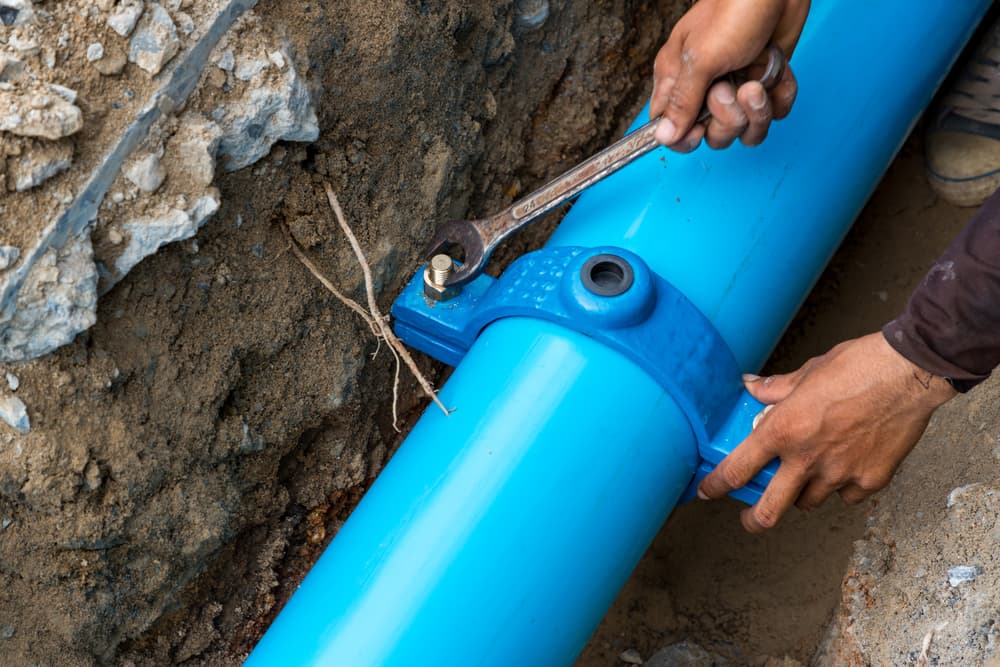
A clogged pipe is one of the worst things that can happen at home. That moment when your sink won't drain, you start smelling something funky, or, even worse, sewage starts backing up—that's when a small inconvenience turns into a full-blown emergency. Knowing what causes these clogs and how to deal with them can save you a ton of stress and a hefty bill for emergency repairs.
How Pipes Get Clogged Over Time
Pipe clogs don't just happen out of nowhere. They're a slow burn. All sorts of stuff builds up in your pipes over time, slowly making the pathways smaller and smaller until water can barely get through. Knowing what's causing these blockages is the first step to stopping them before they become a real disaster.
Nature's Attack: Tree Roots
One of the most damaging yet overlooked causes of sewer clogs comes from the trees in your own yard. Tree roots are always looking for water, and they can sense the humidity around your underground pipes. Even a tiny crack or a loose joint is all they need to get in, and they'll slowly grow into a dense tangle that completely blocks the flow.
Root intrusion is a sneaky problem because you don't see it happening. By the time you notice your drains are slow, the roots might have already taken over a big chunk of your sewer line. The best way to prevent this is to be smart about your landscaping and have regular camera inspections to catch root growth before it becomes a major problem.
The Hard Water Problem
If you live in an area with hard water, you have another battle to fight. The minerals in the water, like calcium and magnesium, leave behind a rough, scaly coating on the inside of your pipes. This coating not only makes the pipes narrower but also gives other debris a perfect surface to latch onto and start a clog.
Unlike other clogs, mineral buildup is a natural process. A water softening system can fix this problem at the source by treating the water before it even gets into your pipes. These systems can significantly extend the life of your plumbing and improve the quality of your water for everything else you use it for.
How to Spot a Clog Early
Catching a clog early is half the battle. Watch out for these warning signs that a problem is brewing:
- Your drains are getting slower and slower.
- You hear gurgling or bubbling sounds from your pipes.
- There's a bad smell coming from your drains.
- Water backs up in a sink or tub when you use another fixture.
- You have a clog that you fix with a plunger, but it keeps coming back.
- Multiple drains in your home are slow at the same time, which points to a main line issue.
If you see any of these, don't ignore them! Addressing them early is usually much easier and cheaper than waiting until you have a total blockage.
DIY Solutions to Try First
For minor clogs, you can often fix them yourself without calling a pro. These methods work best for small blockages that you catch right away.
Try the boiling water trick. It's great for dissolving grease and soap buildup, especially in kitchen sinks. Just boil some water and carefully pour it down the drain.
Baking soda and vinegar can also work wonders. Pour half a cup of baking soda down the drain, followed by a cup of vinegar. The fizzing reaction helps break up gunk. Let it sit for about 15 minutes, then flush it with hot water.
A good old-fashioned plunger can still be surprisingly effective. Make sure you get a tight seal over the drain and use some quick, firm plunges. The pressure can break apart a lot of clogs.
You can also get a manual drain snake or auger from a hardware store. These flexible tools can go deep into your pipes to physically hook and pull out the clog.
And for a last-ditch DIY effort, a powerful wet/dry vacuum can sometimes suck out a stubborn clog by creating strong suction over the drain opening.
A Word of Warning About Chemical Cleaners
You'll see a lot of chemical drain cleaners at the store, but they can cause more problems than they solve. The harsh chemicals that dissolve clogs can also eat away at your pipes, especially older metal or PVC ones. Using them over and over can seriously weaken your plumbing, leading to leaks and expensive repairs.
On top of that, these chemicals are bad for the environment and can create a dangerous situation if they get stuck in a completely blocked pipe. The convenience just isn't worth the long-term risk and cost.
When to Call the Pros
Some clogs are just too big for a DIY fix, and you need to call in the experts. Knowing when to stop trying to fix it yourself can save you time and prevent you from accidentally damaging your pipes.
Professional plumbers have some amazing tools for stubborn clogs. Hydro-jetting, for example, uses extremely high-pressure water to not only break up the blockage but also completely clean the gunk off the inside of the pipe walls. This prevents the clog from coming back right away.
They also use camera inspections to see exactly what's going on inside your pipes. This lets them find the exact location and cause of the clog, like a big tree root or a collapsed pipe section, so they can fix the real problem instead of just treating the symptom.
For tree root problems, they have special cutters that can get rid of the roots that have invaded your sewer lines. After the roots are gone, they can also use preventive treatments to stop them from growing back.
And for damaged pipes, modern techniques like trenchless repair can fix or replace a section without tearing up your entire yard. It's a much less invasive and destructive way to permanently solve the issue.
Understanding Manhole System Clogs
While a clogged drain affects one house, a clogged manhole can mess up an entire neighborhood. These underground access points are a key part of the larger sewer system, and keeping them clean is crucial for the whole network to work properly.
Manholes collect sediment, grease, and other debris from all the connected properties. If they aren't cleaned regularly, this stuff builds up and restricts the flow in the main sewer lines, which can cause a sewage backup that affects multiple homes at once.
Besides causing backups, dirty manholes can be a source of constant bad smells and a breeding ground for harmful bacteria. If they overflow, they can create a real health hazard.
How Pros Clean Manholes
Manhole cleaning requires some serious equipment. Industrial vacuum trucks are used to suck out all the sludge and liquid waste that's built up. This is a job that conventional methods just can't handle.
After all the waste is removed, high-pressure water jetting is used to completely scour the inside of the manhole and the pipes connected to it. This combination of vacuuming and jetting ensures a thorough cleaning instead of just pushing the problem somewhere else.
A final inspection confirms that the job is done right and also helps identify any structural issues like cracks or loose joints. Catching these problems early can prevent a huge emergency down the road.
Setting Up a Preventive Maintenance Plan
The best way to deal with plumbing issues is to stop them before they start. Setting up a regular maintenance schedule can save you a ton of money and a lot of headaches.
For homes, getting your drains professionally cleaned every six to twelve months is a good idea. This prevents buildup from getting out of hand and costs way less than an emergency service call.
Businesses, especially restaurants and hotels, should get more frequent cleanings—maybe every three months. Their systems get a lot more use and deal with a lot more grease, so they need more regular attention.
Between professional cleanings, you can help a lot with some simple habits. Running hot water down your drains every week helps dissolve minor soap and grease. Using strainers is a no-brainer, and making sure you throw away inappropriate items is the easiest way to prevent a major clog. These small efforts really add up and can keep your plumbing working great for a long time.
The Value of Emergency Response
Even with the best prevention, things can still go wrong at the worst possible time. A sewage backup or a flooded basement doesn't care if it's the middle of the night or a holiday. Having access to a 24/7 emergency plumbing service is a lifesaver.
A quick response in an emergency can seriously minimize damage and cleanup costs. The difference between calling a pro right away and waiting until morning can save you thousands of dollars in repairs.
Choosing a Quality Service
When you're looking for a plumber for either a routine cleaning or an emergency, a few things really set the great ones apart. Look for a company with certified, well-trained technicians who use modern equipment like camera inspection systems and hydro-jetting.
They should also have transparent pricing with no hidden fees and be able to clearly explain what needs to be done. A company that stands behind its work and offers follow-up support is one you can trust.
Protect Your Plumbing Today
Your plumbing is a vital part of your home, and it deserves proactive care. Whether you're a homeowner or a business owner, investing in proper maintenance and having a reliable plumber you can call on will save you a lot of stress, money, and hassle.
Don't wait for your slow drains to become a complete disaster. Start with better habits, set up a regular professional cleaning, and know that you have someone to call when something unexpected happens.
Ready to get your drains checked or need help with a clog right now? Contact [Service Provider] at [Contact Number] or visit [Website] for professional plumbing solutions. Expert help is available day or night to give your drainage systems the care they need.
Our services are available in many cities and towns across the UAE such as Abu Dhabi, Al Ain, Al Dhafra, Dubai, Sharjah, Ajman, Ras Al Khaimah, Fujairah, Umm Al Quwain, Al Maryah, Al Reem, Khalifa City, Madinat Zayed, Al Bateen, Al Jimi, Masdar City, and Liwa.